Mance Lipscomb
 Shop Amazon for Mance Lipscomb Music
|
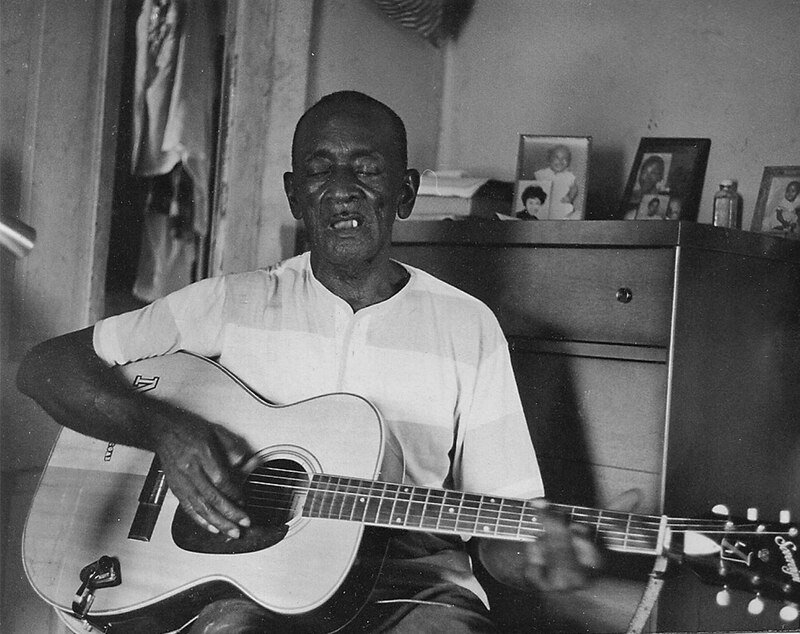
Mance Lipscomb (1895-1976) was an American blues singer, guitarist, and songster from Navasota, Texas, whose music represents a direct link to early African American folk traditions. Born into the Jim Crow South, he worked most of his life as a tenant farmer while playing guitar at local gatherings, house parties, and community events. He didn’t gain wider recognition until the 1960s folk revival, when he was discovered by Chris Strachwitz of Arhoolie Records. Lipscomb was celebrated for his warm, steady “dead thumb” fingerpicking style and his wide-ranging repertoire, which included blues, ballads, spirituals, dance tunes, and even ragtime pieces, earning him the title of a “songster” rather than just a bluesman. Lipscomb’s style was shaped by the rich oral and musical traditions of rural Texas. He cited Blind Lemon Jefferson, whom he saw perform in nearby towns, as a key influence, along with the church music and work songs he heard growing up. Unlike many Delta blues musicians, Lipscomb played with a relaxed, conversational delivery and blended multiple traditions, reflecting the diversity of his environment. His music often carried the cadence of storytelling, and his performances revealed the social and historical realities of African American life in the early 20th century. Essential recordings include his debut Texas Songster (1960), which introduced audiences to his deep catalog, and I Ain’t Got Nobody (1961), showcasing his versatility beyond blues. Notable songs include “Sugar Babe,” “Shine On Harvest Moon,” and “Freight Train Blues,” which highlight both his fingerpicking mastery and narrative style. Later albums like Captain, Captain! (1969) and You Got to Reap What You Sow (1970) further cemented his place in the folk-blues revival. Today, Mance Lipscomb is remembered as a cultural treasure—an artist who preserved the spirit of pre-commercialized American folk music and influenced future generations of blues and folk musicians. |